Harness the Power of HEMI Engines: Performance Upgrades and Benefits Uncovered
HEMI engines are renowned for their exceptional design and remarkable power potential. Car enthusiasts frequently look for methods to boost their power and efficiency with different modifications. From air intake modifications to advanced tuning techniques, numerous options exist. Still, not all upgrades produce the same level of improvement. Grasping the most reliable techniques and typical errors is key to achieving peak performance. Which targeted modifications can genuinely unlock the complete capabilities of these robust engines?
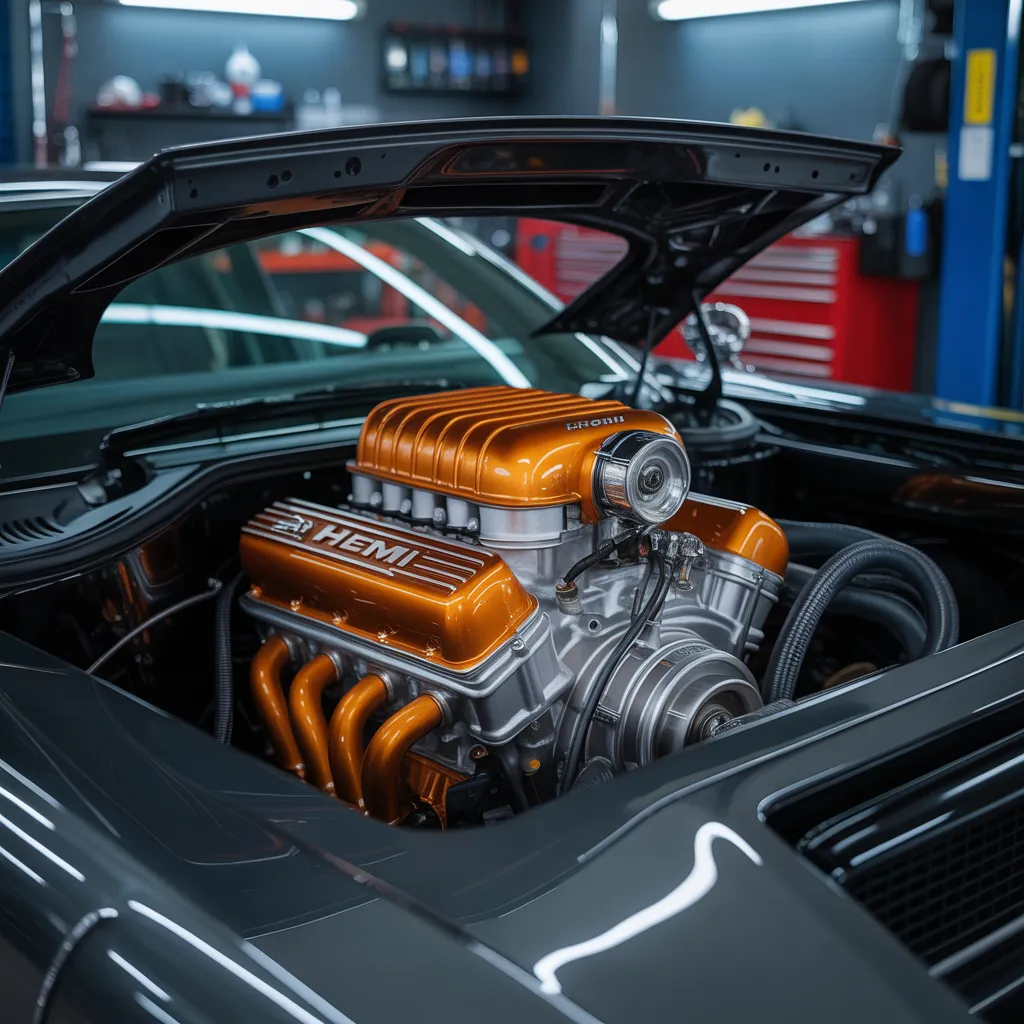
What Are HEMI Engines and What Makes Them Special?
HEMI motors, celebrated for their iconic hemispherical combustion chambers, have established themselves as legends in the automotive industry. Their unique design promotes efficient airflow, enabling better fuel combustion and increased power output. The shape of the combustion chamber perfects the angle at which the air-fuel mixture enters, enhancing performance across a wide range of RPM ranges.
These engines commonly incorporate a tapered piston, which complements the curved chamber, resulting in a more efficient combustion process. This results in higher torque and horsepower compared to traditional flat-head engines. Additionally, HEMI engines commonly feature a dual overhead cam design, further improving power output and throttle response.
The integration of these technical components not only contributes to their impressive performance but also delivers a remarkable auditory experience, making them a favorite among automotive enthusiasts. Their tradition continues to flourish, representing power and innovation in the automotive industry.
Increasing Horsepower Through HEMI Modifications
Improving horsepower in HEMI engines can be accomplished through multiple reliable modifications. Key enhancements include upgrading air intake systems, implementing high-performance exhaust modifications, and investigating various engine optimization strategies. All of these upgrades contributes significantly to maximizing engine efficiency and output.
Air Intake Systems
When exploring performance upgrades for HEMI engines, air intake systems serve a vital purpose in increasing power output. These systems work to optimize airflow into the engine, allowing for detailed guide improved combustion and greater power output. By replacing factory air intakes with high-performance options, enthusiasts can markedly reduce air restrictions, producing enhanced throttle response and quicker acceleration. Upgraded air intake systems typically incorporate bigger diameter pipes, performance air filters, and superior cold air induction designs, helping to deliver more efficient engine operation. Moreover, they are capable of enriching engine sound, offering a more dynamic sound during operation. Overall, upgrading the air intake system can be a vital step for those looking to maximize the performance potential of their HEMI engines.
Performance Exhaust Upgrades
Improving the exhaust system is a key enhancement for improving the performance of HEMI engines. A superior exhaust system supports improved airflow, decreasing back pressure and helping the engine to breathe more freely. This improvement in function leads to higher horsepower and torque. Components such as headers, cat-back systems, and performance mufflers can considerably change exhaust flow dynamics. Additionally, these upgrades can improve the engine's sound, delivering a more aggressive tone that many drivers value. When paired with other modifications, such as upgraded air intake systems, the advantages become even greater. In summary, performance exhaust upgrades represent an fundamental step for those looking to maximize the potential of their HEMI engines.
Engine Performance Options
Engine tuning techniques play a pivotal role in releasing the full potential of HEMI engines. By adjusting the engine's fuel-air blend, ignition timing, and other parameters, enthusiasts can greatly boost horsepower and torque. Common strategies include reprogramming the engine control unit (ECU) with performance tunes, allowing for enhanced fuel management and ignition control. Additionally, aftermarket tuners often provide customizable options that cater to specific driving styles, whether for daily use or track performance. Integrating performance upgrades, such as upgraded air intake systems or performance fuel injectors, enhances the benefits of tuning. Overall, a well-executed tuning approach not only elevates performance but also improves throttle response, making it a necessary upgrade for HEMI owners seeking enhanced driving experiences.
Top Performance Upgrades for HEMI Engines
Many enthusiasts seek to enhance the performance of HEMI engines to release their full potential. Essential upgrades consist of cold air intakes, which improve airflow and boost horsepower. Performance exhaust systems are also crucial, as they reduce backpressure and enhance engine sound. Upgrading the camshaft can fine-tune valve timing for increased torque and horsepower, while high-performance fuel injectors guarantee a more efficient fuel delivery.
In addition, installing a superior throttle body provides faster reaction and better airflow. Motor tuning, utilizing a custom ECU remap, can amplify improvements from these modifications by adjusting fuel maps and ignition timing. As a finishing touch, incorporating a premium oil cooler can enhance engine endurance by keeping optimal temperatures during enthusiastic driving. Each of these upgrades works synergistically to transform a standard HEMI engine into a formidable beast, giving enthusiasts with a exciting driving experience.
How to Improve Your HEMI Fuel Efficiency
While performance upgrades often dominate discussions about HEMI engines, fuel economy is just as crucial for enthusiasts seeking to harmonize power and efficiency. A number of approaches can enhance fuel economy without compromising performance.
Consistent upkeep is crucial; ensuring the engine remains properly tuned, such as scheduled oil changes and air filter replacements, ensures optimal performance. Furthermore, using high-quality fuel can enhance combustion efficiency. Tire pressure must be regularly checked and sustained, as correctly inflated tires minimize rolling resistance.
Driving habits also play a significant role; practicing gentler acceleration and braking can result in considerable fuel economy. Cutting down on excess weight and eliminating unneeded cargo can additionally improve fuel performance.
Finally, taking advantage of the use of fuel-saving driving modes, if available, permits drivers to optimize settings for improved mileage. By adopting these methods, HEMI enthusiasts can enjoy better fuel efficiency together with their engine's remarkable power.
How Exhaust Enhancements Can Elevate Your HEMI Performance
Overhauling the exhaust system can significantly boost HEMI performance by refining exhaust flow dynamics. This not only allows for increased horsepower potential but also results in a more appealing engine sound quality. Such modifications can elevate the driving experience, making it both more capable and exhilarating.
Enhanced Exhaust Flow Dynamics
Improved exhaust flow dynamics serve a critical function in enhancing HEMI engine performance, as optimized exhaust systems can significantly minimize backpressure. By integrating high-performance headers, larger diameter pipes, and high-flow catalytic converters, the exhaust gases can exit the engine more efficiently. This reduction in backpressure facilitates faster exhaust gas removal, promoting better intake air flow and improving combustion efficiency. As a result, HEMI engines gain notable horsepower and torque improvements, along with improved throttle sensitivity. Additionally, these enhancements can lead to greater fuel efficiency, making them an attractive option for power-focused drivers. Overall, upgrading exhaust flow systems not only enhances overall performance but also optimizes the engine's output capacity, ensuring a superior and exciting driving experience.
Improved Engine Audio Performance
When exhaust upgrades are implemented, they not only boost a HEMI engine's power output but also considerably elevate its sound quality. Upgrading the exhaust system allows for a bolder and more polished exhaust note, delivering a deeper, more resonant sound that many automotive fans find attractive. This transformation is realized through parts like performance mufflers and high-flow catalytic converters, which minimize back pressure and improve the overall acoustic experience. The sound generated by a enhanced exhaust system contributes to the vehicle's identity, allowing it to be noticed on the road. Furthermore, a well-tuned exhaust can evoke a sense of power and performance, enhancing the driving experience for HEMI owners while capturing the admiration of fellow automotive enthusiasts.
Increased Horsepower Potential
Exhaust upgrades release considerable power potential in HEMI engines, revolutionizing their performance output. By optimizing exhaust flow, these modifications reduce back pressure, allowing the engine to breathe more freely. Performance headers and cat-back exhaust setups enhance the expulsion of exhaust gases, which results in increased engine efficiency. This optimized flow not only contributes to higher horsepower but also enhances throttle response, rendering acceleration more responsive and forceful. Additionally, lightweight materials can reduce overall vehicle weight, additionally boosting performance. When paired with additional upgrades, such as performance air intake systems, the performance improvements can be substantially more notable. Ultimately, exhaust enhancements provide HEMI owners a direct and proven approach to extract maximum power and performance from their engines.
Professional Tuning Strategies for HEMI Engines
Unlocking the full power of HEMI engines requires a solid understanding of advanced tuning techniques. These practices include recalibrating engine control units (ECUs) to optimize fuel maps and ignition timing, which significantly boosts performance. Specialized tuning permits enthusiasts to adjust settings based on specific upgrades, such as aftermarket intakes or exhaust systems.
In addition, utilizing aftermarket performance chips can provide rapid enhancements in horsepower and torque figures by adjusting key parameters for improved fuel efficiency and power delivery. Data logging devices are indispensable for tracking engine output in live time, facilitating fine-tuned adjustments that calibrate fuel ratios and boost pressure.
In addition, expert-level tuning may incorporate modifying valve timing and camshaft profiles, improving engine breathing for top-level performance. Through employing these methods, owners of HEMI engines can realize significant improvements in performance as well as drivability, turning their cars into elite performance vehicles that embody their personal driving preferences and unique vehicle specifications.
Typical Errors to Steer Clear of When Upgrading Your HEMI
What pitfalls should HEMI enthusiasts be aware of during their upgrade journey? One frequent error is failing to research compatibility when choosing components. A large number of enthusiasts acquire components without checking their suitability for certain HEMI models, causing performance setbacks or costly exchanges.
One other frequent oversight is underestimating the importance of tuning after upgrades. Engine upgrades frequently require the engine's computer to be recalibrated in order to maximize performance, and failing to do so can result in subpar results.
In addition, certain tend to overlook the importance of professional setup. Do-it-yourself modifications can create mistakes, above all with intricate mechanisms.
Finally, owners sometimes choose aesthetics over functionality, spending money on showy components that do not enhance overall output. By avoiding these pitfalls, HEMI owners can ensure a smoother upgrade process and attain the desired improvements effectively.
Commonly Asked Questions
Which Vehicles Typically Feature HEMI Engines?
HEMI engines are commonly found in numerous Dodge and Chrysler vehicles, such as the Charger, Challenger, Ram trucks, and Jeep Grand Cherokee. These engines are well known for their power and performance capabilities across multiple models.
How Does a HEMI Engine Measure Up to a V8?
A HEMI engine typically offers enhanced power and torque capabilities in contrast to a conventional V8, thanks to its unique hemispherical combustion chamber configuration. This setup boosts overall efficiency and output, making HEMIs a favorite with automotive performance enthusiasts.
Can You Rely on HEMI Engines for Everyday Use?
HEMI engines are broadly recognized as trustworthy for regular driving, offering a balance of performance and durability. A large number of drivers cite commendable lifespan and performance, rendering them a sound selection for frequent use in a wide range of driving environments.
What Is the Background Behind HEMI Engines?
HEMI engines were introduced in the 1950s, utilizing a hemispherical combustion chamber design that enhanced efficiency and performance. First gaining traction in motorsports, they gained widespread acclaim in consumer vehicles, enhancing performance and solidifying their legendary status.
Is It Possible to Install a HEMI Engine in Any Vehicle?
Mounting a HEMI engine in any car or truck is possible, but demands substantial changes. Fitment with the vehicle's electrical systems, transmission, and chassis must be considered, alongside regulatory requirements and emissions guidelines in the area.